

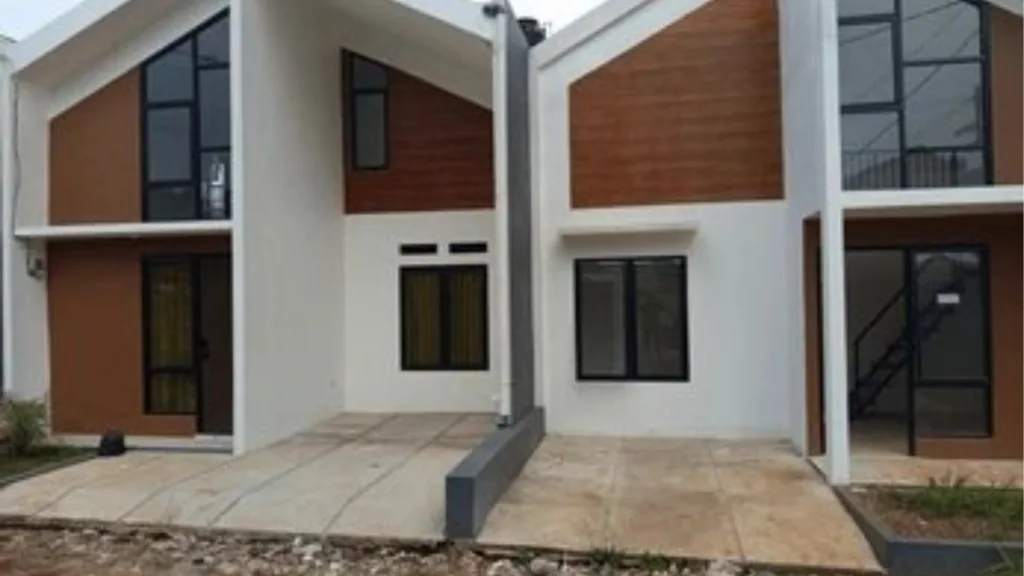
Imagine stepping onto a vacant parcel of land, visualizing your future dream home. You have the length and breadth of the land figured out, but do you know how much of that space can actually be transformed into livable rooms, balconies, and corridors?
For many property buyers and homeowners, navigating real estate terminology can feel like deciphering an ancient language. You hear terms like “carpet area,” “super built-up area,” and “plot area” tossed around by developers and agents, often leaving you wondering what exactly you are paying for.
At the heart of every residential project is the built-up area — a critical metric that dictates the physical footprint of your structure, influences project pricing, and ensures regulatory compliance. Whether you are partnering with professional developers or planning an independent build, understanding how this space is calculated is the ultimate safeguard against hidden costs and legal bottlenecks.
In this ultimate guide, we will simplify the complexities of the built-up area, provide step-by-step mathematical formulas, explain real-world examples, and highlight how local regulations shape your home.
Understanding Plot Area and Built-Up Area
Before diving into equations, it is essential to establish a clear distinction between the land you own and the physical structure built upon it. These two spaces form the foundation of all real estate planning, yet they serve entirely different purposes.
What is Plot Area?
The plot area refers to the total land area on which a building is constructed. It represents the entire land parcel that you purchase or own, marked by clear boundary lines. This measurement encompasses the footprint of the main building structure as well as any auxiliary elements on the premises, such as detached garages, sheds, private driveways, and open yards.
Real-World Example: If you own a standard rectangular piece of land that measures 50 feet in length and 100 feet in width, your total plot area is calculated by multiplying length by width:
Plot Area = 50 ft × 100 ft = 5,000 sq ft
What is Built-Up Area?
The built-up area is the total space in a building that is enclosed by walls. It represents the total constructed area across the floor space, including internal living areas, wall thicknesses, corridors, and semi-enclosed exterior elements like balconies, verandas, and terraces.
Essentially, the built-up area sets the ceiling for the maximum construction allowed on a specific plot of land. Local planning authorities use this metric to control population density and maintain infrastructural balance within urban neighborhoods.
The transition from plot area to built-up area is regulated by specific municipal codes known as the Floor Space Index (FSI) or Floor Area Ratio (FAR). FSI is the ratio of the total built-up area allowed across all floors to the total area of the plot.
Total Allowable Built-Up Area = Plot Area × FSI
If local zoning laws stipulate an FSI of 2.0 on a 3,000 sq ft plot, your total constructed built-up area across all floors cannot exceed 6,000 sq ft. For seamless design execution that maximizes this allocation, working with premier building contractors in bangalore ensures your home remains fully compliant with native development rules.
Components of Built-Up Area
To accurately calculate or audit your property’s dimensions, you must break down the built-up area into its core components. The standardized mathematical formula to calculate the total built-up area is:
Built-Up Area = Carpet Area + Wall Area + Balcony Area + Terrace Area
Let’s examine each of these individual elements in closer detail to understand how they contribute to the final sum.
What is Carpet Area
The carpet area refers to the net usable indoor floor space within the property, excluding the thickness of the internal and external walls. Think of it literally as the exact zone where you can lay a carpet from wall to wall. This is your actual livable area — where your furniture sits, where your bedrooms are arranged, and where daily life takes place.
Under modern statutory frameworks like the Real Estate (Regulation and Development) Act (RERA regulations), developers are legally mandated to quote the sale price based strictly on this carpet area rather than ambiguous historical metrics like super area. This ensures transparency, preventing buyers from paying premiums for unoccupiable spaces.
Carpet Area Calculation Example: Consider a single bedroom that measures 10 ft by 12 ft from the outside edges, where the structural walls are 1 ft thick on every side. To find the net usable carpet space, you must subtract the wall thickness from both dimensions:
- Inner Length: 10 ft – 2 ft (one foot on each side) = 8 ft
- Inner Width: 12 ft – 2 ft (one foot on each side) = 10 ft
- Carpet Area = 8 ft × 10 ft = 80 sq ft
Wall Area
The wall area includes the physical horizontal floor space taken up by both the internal partition walls and the external facade walls of the building structure. When a civil team lays bricks or pours concrete columns, those structural elements occupy space. As a general rule of thumb in standard residential design, the wall area typically consumes around 10% to 15% of the total built-up area.
Wall Area Example: If a continuous masonry wall is 20 ft long, 1 ft thick, and stands 10 ft high, the horizontal footprint area it subtracts from your usable floor space is:
Wall Footprint Area = 20 ft × 1 ft = 20 sq ft
Balcony Area
Any covered or open balconies that project outward from the main living spaces and form an integral part of the building structure are included in the built-up area calculation. Whether it is a small utility balcony for laundry or an expansive sit-out next to your living room, its floor area must be added to the total.
Balcony Area Example: If your master bedroom opens up to a private balcony measuring 8 ft in length and 5 ft in width, its contribution is:
Balcony Area = 8 ft × 5 ft = 40 sq ft
What is Terrace Area
Roof terraces, open-to-sky intermediate spaces, and structural outdoor platforms attached to specific levels are categorized as part of the overall building structure. Because they require structural support, foundations, and slab casting, they count toward the cumulative built-up area.
Terrace Area Example: A private terrace on the first level measuring 20 ft by 15 ft adds a significant premium to your lifestyle space, calculated as:
Terrace Area = 20 ft × 15 ft = 300 sq ft
What is Exterior Living Area
Outdoor spaces such as open manicured gardens, natural soil lawns, unroofed peripheral pathways, and customized backyard landscaping are classified as exterior living areas. While these spaces enhance your property’s aesthetic value and form part of the macro plot area, they are not located within the structural building perimeter. Therefore, exterior living areas are explicitly excluded from the built-up area calculation.
How is the Carpet Area Different from the Built-Up Area?
Distinguishing between carpet area and built-up area is arguably the most critical lesson for any property investor or homeowner. Mistaking one for the other can cause a severe miscalculation of your actual living space versus your financial expenditure.
The primary difference lies in the scope of inclusion. While carpet area strictly isolates the net usable indoor floor space where you can walk, the built-up area factors in everything required to make that space structurally sound and legally whole, including structural boundaries, wall widths, and attached outdoor balconies.
| Metric Feature | Includes Within Its Boundary | Excludes From Its Boundary |
|---|---|---|
| Carpet Area | Net usable indoor floor spaces, rooms. | External wall thicknesses, structural columns, separate balconies, open terraces. |
| Built-Up Area | Total carpet area, comprehensive internal and external wall area, balcony spaces, terrace spaces. | Exterior living areas, open public gardens, unroofed driveways, detached common boundary lines. |
When executing custom home construction in bangalore, structural efficiency is determined by how well your contractor manages this ratio. A low efficiency means too much space is lost to thick walls or unnecessarily wide passages, reducing your precious liveable carpet zone.
How Many Square Feet is Built-Up Area?
A common question among property buyers is: “If I know my carpet area, how can I estimate the built-up area?”
Typically, the built-up area scales 15% to 30% larger than the net carpet area. This variation depends heavily on architectural styles, wall materials, and the number of balconies integrated into the plan.
- Standard Apartment Ratio: Built-Up Area ≈ Carpet Area × 1.20
- Luxury Villa Ratio: Built-Up Area ≈ Carpet Area × 1.30 (due to thicker walls and wider terrace spaces)
Let’s look at a practical comparative baseline table to visualize how this percentage scale plays out across typical residential configurations:
| Expected Carpet Area (sq ft) | Estimated Built-Up Area Range (sq ft) | Added Space For Walls & Balconies (sq ft) |
|---|---|---|
| 600 (Compact 1 BHK) | 690 to 780 | 90 to 180 |
| 1,000 (Standard 2 BHK) | 1,150 to 1,300 | 150 to 300 |
| 1,500 (Spacious 3 BHK) | 1,725 to 1,950 | 225 to 450 |
| 2,500 (Luxury 4 BHK / Duplex) | 2,875 to 3,250 | 375 to 750 |
Plot Coverage Calculation
Beyond understanding FSI, municipal engineering teams enforce another vital metric to prevent lands from being completely choked with concrete: the Plot Coverage Ratio.
Plot coverage tells you how much of your land’s ground level can be physically covered by the building’s permanent footprint. The remaining uncovered plot percentage must be left open to the sky as setbacks, yards, or green zones to help with natural rainwater harvesting and air circulation.
To calculate your plot coverage percentage, use the following formula:
Plot Coverage (%) = (Building Footprint Area / Total Plot Area) × 100
Plot Coverage Example: Suppose you own a plot area of 4,000 sq ft, and your local corporation bylaws limit plot coverage to 60%. This means the maximum footprint your ground floor structure can occupy is:
Max Ground Footprint = 4,000 sq ft × 0.60 = 2,400 sq ft
The remaining 1,600 sq ft must remain entirely open as peripheral open space. If you want to build a larger home, you cannot expand outward; you must build upward by distributing your remaining allowable built-up area across a first or second floor.
Conclusion
Mastering the mathematical relationships between plot area, carpet area, and built-up area is your ultimate shield when embarking on a real estate journey. It empowers you to verify property valuations, read blueprints with confidence, and optimize every square inch of your home.
When designing a home, balancing these spatial metrics requires technical expertise. This is where partnering with a premium turnkey builder makes all the difference. For more insights into optimizing your residential budget and layout, explore our specialized guides on Turnkey Construction Costs, Maximizing Floor Plan Efficiency, and our comprehensive Guide to Bangalore Municipal Bylaws.
Frequently Asked Questions (FAQs)
1. What is the exact percentage difference between carpet area and built-up area?
The built-up area is generally 15% to 30% larger than the net carpet area. For example, a home with a 1,000 sq ft carpet area will carry a built-up area ranging between 1,150 sq ft and 1,300 sq ft. The exact percentage shifts based on local wall thickness specifications, column positions, and the size of attached balconies.
2. Is super built-up area the same as built-up area?
No. Built-up area strictly covers the physical spaces enclosed by walls within your specific unit. Super built-up area takes the built-up area and adds a proportionate share of common public amenities within the residential complex, such as elevator shafts, main lobby corridors, stairwells, clubhouses, and security kiosks.
3. Can I build on 100% of my plot area?
No, building across 100% of your plot area is illegal under municipal laws. Local development authorities enforce plot coverage limits and side setback guidelines to ensure structural safety, fire department accessibility, and adequate ventilation for adjacent properties.
Ready to Build Your Architectural Masterpiece?
Building a home is an investment of a lifetime. Don’t let confusing real estate jargon or inefficient layout designs compromise your dream. At Artscape Developers, we specialize in transparent, high-efficiency, premium residential builds that maximize your usable living space while strictly adhering to all local regulatory standards.
Let our expert architects and structural engineering teams handle the complexities of calculations, floor plans, and municipal sanctions for you.
Contact Artscape Developers today for an expert site evaluation and a personalized blueprint inquiry!
- Call Us Direct: +91 98801 70976
- Email Our Desk: info@artscapedevelopers.com
- Visit Our Office: 8, Sarjapur Main Rd, Jakkasandra Extension, 1st Block Koramangala, Koramangala, Bengaluru, Karnataka 560034