
Home Construction

PSC Cement vs PPC Cement

PSC vs. PPC Cement – Which is Best for Your Home Construction?

Building a home is one of the most exciting, emotionally rewarding, and financially significant milestones in your life. You’ve likely spent countless hours picking out the perfect floor plan, envisioning the interior design, and dreaming about the memories you’ll create. But before you can start picking out paint colors and light fixtures, you have to make a crucial decision that will literally hold your house together: choosing the right cement. If you’ve spoken to contractors or visited a hardware supplier, you’ve probably been hit with an alphabet soup of cement types—namely, PSC and PPC. It’s easy to feel overwhelmed when faced with technical construction jargon. You just want a home that is safe, durable, and built to last for generations. So, what exactly do these acronyms mean, and more importantly, which one is the right choice for your dream home? In this comprehensive guide by Artscape Developers, we are breaking down everything you need to know about Portland Slag Cement (PSC) and Portland Pozzolana Cement (PPC). We’ll explore their unique properties, compare their strengths and weaknesses, and help you make a confident, informed decision for your residential construction project. Let’s pour a solid foundation of knowledge! What is Portland Slag Cement (PSC)? Portland Slag Cement, commonly known as PSC, is a type of blended cement. It is manufactured by combining standard Portland cement clinker with gypsum and granulated blast furnace slag (often referred to as GGBS). Slag is a non-metallic by-product of the iron and steel manufacturing process. Instead of letting this material go to waste, the construction industry repurposes it. By grinding it down and blending it with traditional cement, manufacturers create a highly durable and incredibly resilient building material. According to Indian Standard IS 455, PSC is an incredibly versatile hydraulic cement that has become a staple in modern construction. The Key Benefits of PSC Cement Exceptional Durability in Harsh Conditions: Because of its unique chemical composition, PSC offers phenomenal resistance to harsh chemicals like sulphates and chlorides. This makes it the undisputed champion for construction in coastal areas, or in soils where ground-water chemical exposure is high. Reduced Heat of Hydration: When water mixes with cement, a chemical reaction occurs that produces heat. If too much heat is produced too quickly, the concrete can develop microscopic cracks (thermal cracking). PSC has a significantly lower heat of hydration than ordinary cement, drastically reducing the risk of shrinkage and cracking. Eco-Friendly Champion: Because PSC utilizes industrial slag—displacing a large percentage of the limestone clinker usually required—it has a much lower carbon footprint. It is widely considered a Green Cement, perfect for environmentally conscious homeowners. Ultimate Long-Term Strength: While it might not set as fast as standard cement, PSC continues to gain strength over an extended period. Years down the line, a foundation poured with PSC will be incredibly dense and impermeable. What is Portland Pozzolana Cement (PPC)? On the other side of the ring, we have Portland Pozzolana Cement (PPC). Like PSC, PPC is a blended cement. However, instead of using steel slag, PPC is created by inter-grinding Portland cement clinker with gypsum and pozzolanic materials—most commonly fly ash, which is a by-product of coal-fired thermal power plants. The addition of fly ash changes the physical and chemical properties of the cement, making it exceptionally workable and smooth. It has become one of the most widely used cements in general residential construction around the world. The Key Benefits of PPC Cement Superior Workability: The spherical nature of fly ash particles acts almost like tiny ball bearings within the wet concrete mix. This makes PPC highly workable, easy to mix, and smooth to apply. Excellent Surface Finish: Because it is so workable and fine, PPC yields a beautifully smooth finish. This makes it the absolute go-to choice for plastering, masonry work, and detailed architectural elements. Water-Tight Density: The pozzolanic reaction in PPC happens slowly over time, filling in the microscopic pores within the concrete. This creates a highly dense, impermeable structure that resists water seepage—a critical feature for roofs and basements. Cost-Effective: Because fly ash is widely available and affordable, PPC is often slightly more budget-friendly without compromising on quality or long-term strength. PSC vs. PPC Cement: Key Differences You Need to Know Now that we understand what each type of cement is, let’s pit them against each other in the categories that matter most to your home construction. 1. Initial Setting Time and Strength Gain PPC: Takes a bit longer to set initially compared to Ordinary Portland Cement (OPC), but it catches up in strength after 28 days. PSC: Also has a slower initial setting time, but its ultimate strength (strength evaluated after 90 days and beyond) is often higher than both OPC and PPC. If you have the patience for a slightly longer curing period, PSC rewards you with unmatched long-term load-bearing capacity. (Want to learn more about the timelines of home building? Check out our Step-by-Step Guide to the Home Construction)  2. Resistance to Elements PPC: Excellent at preventing water permeability and dampness. It provides moderate resistance to chemical attacks. PSC: The undisputed winner when it comes to resisting aggressive environments. If your home is near the sea, or if your local soil is high in salts and sulphates, PSC will protect your foundation’s steel reinforcement bars (rebar) from corrosion far better than PPC. 3. Workability and Finish PPC: Because of the fine fly ash, PPC mixes effortlessly and spreads beautifully. It is ideal for the aesthetic parts of your home where surface finish matters. PSC: While very workable, it is slightly coarser than PPC. It is better suited for structural, heavy-duty applications where strength takes precedence over a silky-smooth surface texture. 4. Heat of Hydration PPC: Produces low heat, reducing shrinkage cracks. PSC: Produces even lower heat than PPC. For massive concrete pours—like thick foundation rafts or retaining walls—PSC is generally preferred to keep the core temperature of the concrete stable. The Pros and Cons of Using PSC Cement To make things easy, here is

PSC vs. PPC Cement – Which is Best for Your Home Construction? Read More »

BBMP Bye laws 2026

The Ultimate Guide to BBMP Building Bye Laws: Everything You Need to Know in 2026

So, you’ve finally decided to build your dream home in the Garden City. Whether it’s a sleek contemporary villa in Sarjapur or a multi-generational home in Jayanagar, the excitement is real. But then, someone mentions BBMP Plan Sanction, and suddenly the dream feels like it’s buried under a mountain of red tape. We get it. Navigating the Bruhat Bengaluru Mahanagara Palike (BBMP) regulations can feel like trying to drive through Silk Board junction at 6:00 PM—confusing and slow. However, as we move through 2026, the rules have evolved. From mandatory E-Khatas to new digital infrastructure requirements, staying compliant isn’t just about avoiding fines; it’s about ensuring your home is safe, legal, and valuable for decades to come. At Artscape Developers, we believe the building process should be as inspiring as the architecture itself. This guide breaks down everything you need to know about the current BBMP Building Bye Laws so you can build with confidence. What are BBMP Building Bye Laws and Why Do They Matter? Think of building bye laws as the rulebook for the city’s growth. Established by the BBMP based on the Karnataka Municipal Corporations Model Building Bye Laws, these regulations govern everything from how much of your plot you can cover to how high your building can soar. Following these rules is mandatory for two major reasons: Approvals: You cannot legally start construction without a sanctioned plan. Safety and Sustainability: The laws ensure your home has adequate light, ventilation, and fire safety, while also preventing the chaotic construction that often plagues rapidly developing areas. Without these approvals, your building can be classified as unauthorized, leading to heavy fines, lack of utility connections, or even demolition. Key Changes in 2026: E-Khata, Digital Infrastructure, and New FAR Rules The landscape of Bangalore real estate has shifted significantly over the last 12 months. If you are planning a project this year, you need to be aware of these three game-changers: 1. The E-Khata Mandate As of July 1, 2025, the BBMP made the E-Khata (Electronic Property ID) mandatory for all building plan approvals. This is a massive shift toward transparency. The system now automatically verifies your property revenue records through the E-Aasthi software, meaning you no longer have to submit manual property documents for plan approval. If you don’t have an E-Khata, your application won’t even leave the starting block. 2. Mandatory Digital Infrastructure Since March 2025, a new amendment requires all new constructions to include Digital Infrastructure. This means your building must have dedicated ducts, cable trays, and space for ICT systems like fiber optics. Why does this matter? Because the BBMP will now withhold your Occupancy Certificate (OC) if your telecom infrastructure doesn’t meet these standards. 3. Vertical Growth and Revised FAR To support Bangalore’s growing population, the government has relaxed height and Floor Area Ratio (FAR) rules for plots on wider roads. On a 24-meter wide road, buildings can now reach up to 20 floors, encouraging a more vertical, organized city skyline. Understanding the Basics: Plot Coverage, Setbacks, and Floor Area Ratio (FAR) Before you sit down with an architect, you need to speak the language of the BBMP. Here are the three pillars of any building plan: Plot Coverage This is the percentage of your land that the ground floor of your building covers. For most residential plots up to 240 sq meters, the permissible coverage is 65%. As the plot gets larger, the coverage limit typically stays around 60% to ensure enough open space is left for the environment. Setbacks Setbacks are the breathing room around your house—the minimum distance between your walls and the property boundary. They are essential for ventilation, fire truck access, and drainage. Residential Setbacks (Buildings up to 9.5m Height): Plot Width (m) Front Setback (m) Rear Setback (m) Side Setbacks (m) Up to 6m 1.0 0 1.0 (on one side) Over 12 to 18m 3.0 1.5 1.5 (Left) / 3.0 (Right) Over 24m 5.0 3.5 3.0 (Left) / 4.0 (Right) (Note: In corner plots, both sides facing the road are treated as Front, requiring the higher building line setback .). Floor Area Ratio (FAR) FAR is the ratio of the total built-up area of all floors to the size of the plot. For example, if you have a 1,000 sq ft plot and an FAR of 1.5, you can build a total of 1,500 sq ft across all floors. Important 2026 Update: While parking spaces and lift rooms are generally exempt from FAR calculations, a recent High Court ruling now mandates that balcony areas must be included in the FAR. The Step-by-Step BBMP Plan Approval Process for 2026 The days of running between government offices are (mostly) over. The process is now digitized through the Nambike Nakshe and OBPAS portals. Site Eligibility Check: Verify your plot is within BBMP limits and free of legal disputes or encroachments. Appoint an Empanelled Professional: You cannot apply yourself. You must hire a BBMP-registered architect or engineer to design and submit your plans. Document Submission: Gather your Sale Deed, latest Tax Receipts, and that all-important E-Khata. Online Filing: Your architect uploads the plans to the BBMP portal. The system uses auto-verification to flag any bylaw violations immediately. Fee Payment: Pay the scrutiny fees and betterment charges online. Provisional Sanction: For many residential plots, you can receive a provisional sanction in less than 48 hours, allowing you to start basic site work. Final Approval: A digital review is conducted by the Town Planning department. If everything is in order, final approval is typically granted within 15 working days. The Crucial Role of the Occupancy Certificate (OC) Getting your plan approved is only half the battle. After construction, you need an Occupancy Certificate (OC). This document certifies that your building was actually built according to the sanctioned plan and is safe to live in. Why the OC is non-negotiable: Utility Connections: You generally cannot get permanent water or electricity connections without an OC. Resale Value: Banks often refuse loans for properties without an OC,

The Ultimate Guide to BBMP Building Bye Laws: Everything You Need to Know in 2026 Read More »

Your dream home construction by Artscape developers

Your Complete Guide to Building a Dream Home [2026 Guide]

Embarking on the journey of building a custom home offers a deeply personal and rewarding experience, enabling you to craft a living space that mirrors your individual style, values, and aspirations. There is nothing quite like the thrill of starting with a blank canvas. However, transforming that vision into a high-end home requires precision, foresight, and a structured approach. Whether you are just starting to gather inspiration or you are ready to break ground, navigating the custom home-building process can feel overwhelming. But it doesn’t have to be. By understanding the phases of architectural design, the importance of a collaborative team, and the latest design trends, you can ensure a seamless journey from concept to completion. Welcome to your ultimate guide to building a dream home with confidence.   1. Define Your Vision and Set a Realistic Budget Creating a vision for your custom home goes beyond simply envisioning a layout or design style. It involves thoughtful consideration of your lifestyle, preferences, and aspirations for your new home. Take the time to visualize how you want to live in your space and what features will enhance your daily life. Are you looking for a spacious kitchen for entertaining, a cozy reading nook for relaxation, or a dedicated home office for remote work?. When designing your custom home, it’s essential to consider not only your immediate needs but also your long-term goals. Think about how your lifestyle may evolve over time and incorporate features that will accommodate future changes. Once your vision is clear, it is time to talk numbers. Building a custom home requires careful financial planning to ensure that your dream home remains within reach. Look Beyond Construction: Factor in expenses such as land acquisition, permits, landscaping, and furnishings. Contingency is Key: Allocate a contingency of 15-20% of the total construction cost to cover unforeseen issues or desired upgrades without derailing the project. Define Allowances: Work with your builder to set realistic cash allowances for selection items like tile, lighting, and plumbing fixtures, ensuring they align with your quality expectations. 2. Select and Finalize Your Building Lot The land you choose is the canvas for your custom home, shaping the design, cost, and overall experience. The location of your custom home is paramount, influencing everything from property value to quality of life. A thorough evaluation of a potential lot is a critical first step in any high-end custom home build. This goes beyond location, requiring a deep dive into the land’s characteristics to ensure it aligns with your architectural vision and lifestyle. For instance, a sloped lot may offer vistas but will require specialized foundation work. Before you close on a property, conduct actionable due diligence: Professional Assessment: Engage a land surveyor and a geotechnical engineer to assess boundaries, topography, and soil stability before finalizing your purchase. A current legal survey anchors setbacks, height datum, and tree protection zones. Utility Confirmation: Verify the availability and cost of connecting to municipal utilities or the requirements for installing septic and well systems. Zoning & Covenants: Meet with the local planning department to confirm zoning laws and review any community-specific covenants that could restrict your design. 3. Assemble Your Dream Team: Architects and Builders Finding the right builder is perhaps the most critical decision you’ll make during the custom home-building process. The builder or general contractor you select is the most important partner in your custom home journey, orchestrating the entire project from groundbreaking to final inspection. Look for a building contractor with a proven track record of excellence in craftsmanship, customer service, and integrity. When architecture and construction are under one roof, projects move faster, change orders are minimized, and the original design intent is preserved. The Power of Integrated Project Delivery (IPD) The most successful modern builds use collaborative approaches like Integrated Project Delivery (IPD). IPD brings key stake holders together sooner in order to align objectives and goals and find solutions to problems before they happen and when it is still easy and comparatively inexpensive to fix. In this model, core trades—like structural, HVAC, plumbing, and electrical contractors—are asked to consult on the design prior to bids being awarded. Survey feedback from trade partners suggests that they generally like using IPD principles because it gives them more input during design. Having them involved early also helps limit costly change orders throughout the project because those issues that lead to change orders are likely to be caught earlier. 4. The Architectural Design Phases Explained Design moves faster and costs less when you understand the phases up front. In plain terms, your custom home flows from Pre‑Design, to Schematic Design, to Design Development, to Permit Set, to Construction Drawings, and finally Construction Administration. Pre-Design: We begin by listening. We map these goals to a budget range so decisions stay grounded. We also set energy and ventilation targets now, which lets us size the envelope and windows correctly before anyone models performance. Schematic Design: You will see two or three clear plan options, not a pile of sketches. We check roof form and overall height against setbacks and neighbours. We shape window size and placement for daylight and views without upsetting privacy or energy targets. Design Development: Now we coordinate envelope assemblies, spans, and window performance so the energy model, structure, and drawings match. Kitchen layouts, bathrooms, built‑ins, and storage are resolved while the shell is still flexible. Permit Set: Securing the correct permits is a non-negotiable step that legitimizes your construction project, ensuring it adheres to local building codes, zoning laws, and safety regulations. This part of the building custom home checklist can be complex, involving multiple agencies from building departments to environmental commissions. Construction Drawings: Clear drawings answer common trade questions before they slow the site. We add wall, roof, and slab details; window and door installation details; typical sections; and schedules that match what is being bought. 5. Embrace 2026 Home Design Trends The home design trends of 2026 reflect a clear shift toward longevity, intentional living, and

Your Complete Guide to Building a Dream Home [2026 Guide] Read More »

Steel Testing in Lab

The Ultimate Guide to Steel Testing Methods: Types, Standards, and Why They Matter

When you look at a towering skyscraper, a sprawling commercial complex, or even a modern residential home, what do you see? Most people notice the sleek glass facades, the modern architectural designs, or the beautiful landscaping. But as developers and builders, we know the real magic lies beneath the surface. It’s the steel skeleton that holds everything together, providing the strength and resilience needed to withstand the test of time, extreme weather, and everyday wear and tear. But here is the million-dollar question: How do you know that the steel holding up your building is actually up to the job? You can’t just look at a steel beam and guess its load-bearing capacity or spot microscopic internal flaws. That is where steel testing methods come into play. Whether you are breaking ground on a massive industrial facility or framing a custom home, verifying the quality of your materials isn’t just a best practice—it is an absolute necessity. In this ultimate guide, we are going to dive deep into the world of steel testing. We will explore the different types of testing methods, break down the critical industry standards, and explain exactly why all of this matters for your next project with Artscape Developers. What is Steel Testing and Why is it Essential? At its core, steel testing is a rigorous set of scientific processes designed to evaluate the mechanical, physical, and chemical properties of steel materials. Think of it as a comprehensive health check-up for your construction materials. Before a single beam is welded or bolted into place, it needs to prove it can handle the stress. Why is this so critical? First and foremost, safety. A compromised steel structure can lead to catastrophic failures. Microscopic cracks, internal voids, or improper chemical compositions can drastically weaken a beam. During an earthquake, high winds, or simply under the heavy static load of the building itself, those weaknesses can give way. Secondly, there is the issue of financial liability and longevity. Fixing structural defects after a building is erected is a logistical nightmare and a massive financial drain. It can lead to delayed project timelines, lawsuits, and skyrocketing insurance premiums. In fact, many insurance providers offer better rates for buildings constructed with certified, rigorously tested steel frames because they are proven to resist fire, warping, and seismic activity. By investing in proper steel testing, you are guaranteeing peace of mind. You are ensuring that the materials meet exact engineering specifications and that your investment will stand tall for decades. Destructive Testing (DT) vs. Non-Destructive Testing (NDT) When we talk about steel testing, the methods generally fall into two main categories: Destructive Testing (DT) and Non-Destructive Testing (NDT). Understanding the difference between the two is the first step in creating a solid quality assurance plan. Destructive Testing (DT) Just as the name implies, Destructive Testing involves taking a sample of the steel and pushing it to its absolute breaking point. The goal is to physically deform, break, or destroy the material to understand its limits. Because the sample is destroyed, DT is typically performed on a representative batch of materials at a laboratory rather than on the actual beams that will be used in the final structure. Non-Destructive Testing (NDT) Non-Destructive Testing, on the other hand, allows inspectors to evaluate the properties of a material, component, or system without causing any damage. It’s like taking an X-ray or an ultrasound of the steel. NDT is incredibly valuable because it can be performed on the actual materials being used on the construction site, and it can even be used to inspect existing structures to monitor their health over time. Both methods are essential. DT tells you the ultimate limits of the batch, while NDT ensures that the specific pieces being installed are free from hidden defects. Common Types of Destructive Steel Testing Methods To truly understand how much stress a piece of steel can take, engineers subject samples to a series of brutal physical tests. Here are the most common types of destructive tests used in the industry: 1. Tensile Testing Tensile testing is the most fundamental of all steel tests. A sample of the steel is clamped into a machine and pulled apart from opposite ends until it eventually snaps. This test measures the steel’s “yield strength” (the point at which it begins to permanently deform) and its “ultimate tensile strength” (the maximum stress it can handle before breaking). This data is crucial for structural engineers who need to calculate exactly how much weight the building’s framework can support. 2. Charpy V-Notch Impact Testing Steel behaves differently depending on the temperature. A beam that is incredibly tough in the summer might become brittle and prone to shattering in freezing winter temperatures. The Charpy Impact Test involves machining a small V-shaped notch into a steel sample and then striking it with a heavy swinging pendulum. By measuring how much energy the steel absorbs before breaking, engineers can determine its toughness and its susceptibility to brittle fracture at various temperatures. 3. Hardness Testing Hardness testing measures a material’s resistance to permanent indentation or scratching. In tests like the Brinell or Rockwell hardness tests, a hardened steel ball or diamond cone is pressed into the surface of the steel under a specific load. The size or depth of the resulting indentation is then measured. Hardness is often a great indicator of other mechanical properties, such as tensile strength and wear resistance. 4. Bending and Compression Tests The bend test evaluates the ductility of the steel—how well it can be bent without cracking on the outside of the curve. This is particularly important for reinforced concrete structures where rebar must be bent into complex shapes. Compression testing is the opposite of tensile testing; it involves crushing the sample to see how much load it can bear before failing, which is vital for columns and foundational supports. Essential Non-Destructive Testing (NDT) Methods Because we can’t break every piece of steel we intend to use, Non-Destructive Testing is

The Ultimate Guide to Steel Testing Methods: Types, Standards, and Why They Matter Read More »

Expert Construction Services in Bangalore: Building the Future of Urban Living

Expert Construction Services in Bangalore: Building the Future of Urban Living

Building a property in the Silicon Valley of India is a multi-generational investment. As we move into 2026, the demand for high-quality construction services in Bangalore has reached an all-time high, driven by the city’s expansion into the Greater Bengaluru Authority (GBA) zones. However, the complexity of building has also increased. From navigating new structural safety mandates to managing fluctuating material costs, homeowners today need more than just a contractor—they need a strategic construction partner. Whether you are envisioning a luxury villa in Sarjapur, a modern duplex in Whitefield, or a sustainable independent home in Jayanagar, the success of your project depends on technical precision and legal transparency. This guide provides a comprehensive analysis of the 2026 construction landscape, ensuring you have the insights to build a home that is structurally sound, legally compliant, and aesthetically superior. The Evolution of Construction Services in Bangalore The construction industry in Bengaluru has undergone a digital transformation. In 2026, top-tier firms no longer rely on guesswork. The integration of Building Information Modeling (BIM) and real-time project tracking has become the standard for elite construction services in Bangalore. These technologies allow homeowners to visualize their projects in 3D before a single brick is laid, significantly reducing the rework costs that typically plague traditional builds. Furthermore, the shift toward professional project management has addressed the industry’s biggest pain point: transparency. Leading firms now offer integrated dashboards where you can track material procurement, labor attendance, and milestone completion from your smartphone. This professionalization ensures that your project stays on schedule and within budget, a far cry from the unorganized labor contracts of the past. Understanding House Construction Cost per sq ft in Bangalore 2026 Budgeting is the most critical phase of your journey. In early 2026, the market has seen a stabilization of prices, though premium materials continue to command a higher investment. Understanding the house construction cost per sq ft in Bangalore 2026 helps you align your aspirations with financial reality. 2026 Construction Quality Tiers Essential Tier (₹1,750 – ₹2,050 per sq ft): Best for rental properties or budget-conscious builds. This includes standard RCC structures, local brand materials, and essential finishes. Premium Tier (₹2,200 – ₹2,850 per sq ft): The gold standard for modern family homes. This tier features branded materials like UltraTech cement and JSW steel, high-quality granite or vitrified flooring, and premium bathroom fixtures. Luxury Tier (₹3,200 – ₹5,000+ per sq ft): Tailored for high-end villas. This includes Italian marble, smart home automation, climate-responsive facades, and designer joinery. For a detailed breakdown of what these tiers look like in practice, you can explore our professional project portfolio to see the finish quality of each grade. Factors Influencing Your Construction Budget While the square foot rate provides a baseline, several variables can influence the final quote provided by civil contractors in Bangalore. The geological profile of your plot is a major factor; sites near the city’s lake belts may require specialized pile foundations, which can add 15–20% to the structural cost. Additionally, the complexity of your architectural design—such as large cantilevers or floor-to-ceiling glass facades—will increase the steel and formwork requirements. Why Turnkey Construction Companies Bengaluru are the Preferred Choice For the modern professional, the Labor Contract model is increasingly becoming obsolete. Instead, turnkey construction companies Bengaluru are now the preferred choice for 90% of new residential projects. A turnkey contract provides a one-stop-shop solution where the builder takes single-point accountability for everything from architectural drawings to the final key handover. The primary advantage of turnkey construction services in Bangalore is the elimination of the blame game between architects, masons, and plumbers. With an integrated team, design errors are caught early, and material wastage is minimized through professional procurement. Most importantly, turnkey projects offer a fixed timeline and price, protecting you from the market fluctuations of raw materials. By working with an integrated firm, you ensure that the aesthetic vision created during the design phase is technically feasible during the execution phase. For a seamless building experience, many homeowners now opt for holistic home construction services that handle both the civil shell and the interior finishing. Navigating the Greater Bengaluru Authority (GBA) Approval Process A significant change in 2026 is the transition from BBMP to the GBA framework. Securing a building sanction plan GBA now involves a more rigorous digital verification process. Elite residential building contractors Bangalore are well-versed in these new 2026 bylaws, which place a heavy emphasis on: Setback Norms: Strict adherence to side and rear setbacks is now mandatory for obtaining an Occupancy Certificate (OC). Rainwater Harvesting (RWH): Mandatory integration of RWH systems for all plots above 1,200 sq ft to prevent heavy BWSSB penalties. Structural Safety Audits: Mandatory structural stability certificates issued by certified engineers after each slab cast. Failure to comply with these rules can result in the denial of permanent electricity and water connections. It is highly recommended to seek a consultation for your home project to ensure your plan is legally bulletproof before breaking ground. You can also refer to the RERA Karnataka official portal to verify your contractor’s compliance history. Sustainability and Climate-Smart Construction in Bangalore The year 2026 has seen a massive shift toward Green Building. As Bengaluru experiences more significant temperature fluctuations, the best construction services in Bangalore are incorporating climate-smart materials into their standard packages. AAC Blocks vs. Traditional Bricks Many civil contractors in Bangalore are moving away from red clay bricks in favor of Autoclaved Aerated Concrete (AAC) blocks. These are not only more sustainable but offer superior thermal insulation. This keeps your home 3–5 degrees cooler in the summer, significantly reducing long-term air conditioning costs. Passive Cooling and Natural Light Sustainable construction is about more than just materials; it’s about design. Modern residential building contractors Bangalore utilize Passive Design to maximize cross-ventilation and natural daylight. By strategically placing windows and using thermal breaks, builders can create homes that require 30% less energy to maintain. According to the Bureau of Indian Standards (BIS), integrating these eco-friendly elements can increase the resale

Expert Construction Services in Bangalore: Building the Future of Urban Living Read More »

Modern residential building construction site in Bangalore with skilled laborers.

Best Residential Building Contractors in Bangalore: A Complete 2026 Construction Guide

Building a home in the Silicon Valley of India is a life-defining milestone. In 2026, the Bengaluru real estate landscape has evolved into a sophisticated market where smart technology meets sustainable architecture. Whether you are planning a luxury villa in Sarjapur, a modern duplex in Hebbal, or a contemporary home in Jayanagar, the choice of residential building contractors in Bangalore is the single most critical factor that determines your project’s success. As the city transitions under the new Greater Bengaluru Authority (GBA) framework, homeowners face a unique set of challenges and opportunities. From navigating updated setback rules to managing fluctuating material costs, having an elite construction partner ensures your vision is translated into a structurally sound, legally compliant, and aesthetically stunning reality. This guide provides an in-depth analysis of the 2026 construction market to help you build your legacy with confidence. Why You Need Professional Residential Building Contractors in Bangalore Bengaluru’s unique geography—ranging from the rocky terrains of South Bangalore to the softer soils of the northern expansion zones—requires specialized civil engineering expertise. Professional building contractors in Bengaluru bring more than just labor; they bring Value Engineering that balances cost-efficiency with uncompromising quality. Top-tier contractors ensure your home is built to withstand the specific climatic conditions of the Deccan Plateau. They manage the technical nuances of foundation depth, waterproofing, and structural load-bearing while ensuring every square inch of your plot is utilized effectively. Moreover, hiring a professional firm mitigates the risks associated with unorganized labor, such as timeline delays, budget overruns, and subpar finishing. Professional firms also act as your legal shield. With the implementation of the Greater Bengaluru Governance Act, the process for securing utility connections and occupancy certificates has changed. Elite contractors stay updated on these shifts, ensuring your property remains a liquid asset with perfect documentation. Understanding Construction Cost Per Sq Ft in Bangalore 2026 Budgeting is the core of any residential project. In 2026, construction costs have been influenced by global supply chains and the local demand for specialized green materials. Understanding the current house construction cost per sq ft in Bangalore 2026 is essential for a realistic financial plan. Pricing Tiers for Bengaluru Home Construction As of early 2026, construction rates are categorized into three primary quality tiers: Basic Tier (₹1,750 – ₹2,100 per sq ft): This is ideal for budget-conscious homeowners or rental properties. It includes standard RCC structures, local brand cement and steel, vitrified tile flooring, and essential plumbing and electrical fittings. Standard Tier (₹2,250 – ₹2,850 per sq ft): The most popular choice for family homes. This tier utilizes premium branded materials like UltraTech cement and JSW steel. It features higher-quality flooring (granite or premium tiles), branded sanitaryware (Jaquar or Hindware), and better wood for joinery. Premium/Luxury Tier (₹3,000 – ₹4,500+ per sq ft): For high-end custom villas. This includes advanced features like automated smart home systems, Italian marble flooring, teak wood doors, and designer lighting. This tier also incorporates climate-smart materials and biophilic design elements. Total project costs are typically calculated based on the built-up area. For a standard 1,200 sq ft home (30×40 plot), a mid-range construction would range between ₹27 lakhs and ₹35 lakhs, excluding land costs and high-end interior furnishing. It is advisable to explore a professional project portfolio to visualize how these quality tiers translate into finished spaces. Key Factors to Consider When Hiring Building Contractors in Bengaluru With thousands of civil construction companies in Bangalore, finding the right fit requires a rigorous vetting process. In 2026, look for these elite indicators: RERA Compliance and Legal Security Never hire a contractor for a significant residential project without verifying their RERA registration status. The Real Estate Regulatory Authority (RERA) Karnataka provides a safety net for homeowners. Registered contractors are legally bound to deliver projects on time and maintain a 5-year structural warranty. This protection is vital in an era where project deviations can lead to significant legal hurdles. Digital Transparency and Project Tracking Modern home building contractors Bangalore use integrated tech stacks. You should demand access to a project management dashboard that provides: Daily progress photos and videos. Material procurement logs (verifying brands used). Budget tracking vs. actual spending. Timeline milestones (Critical Path Method). Transparency in material sourcing is particularly important. Ensure your contractor uses verified brands for essentials like TMT steel (Tata Tiscon or JSW) and waterproofing chemicals (Dr. Fixit or Fosroc). The Greater Bengaluru Authority (GBA) Building Sanction Process In 2024 and 2025, the transition from BBMP to GBA changed how a building sanction plan Bangalore is processed. The GBA now emphasizes digital-first approvals through a single-window clearance system. New 2026 Setback Rules and OC Exemptions A major update for 2026 is the exemption of Occupancy Certificates (OC) for residential houses constructed on plots up to 1,200 sq ft, provided they adhere to the G+2 or Stilt+3 height limits. This move by the Greater Bengaluru Authority has significantly accelerated the timeline for securing water and electricity connections for small-scale developers. Setback rules have also been simplified for smaller plots. For sites up to 1,500 sq ft, a minimum front setback of 0.75 meters and one side setback of 0.6 meters are generally required, with no rear setback mandatory for the smallest plots. These changes allow for more breathable living spaces even on compact urban sites. For expert guidance on navigating these permits, you can book a consultation for your home project to avoid any legal complications. Current Design and Sustainability Trends in Bangalore Homes The 2026 homeowner in Bangalore is looking for more than just four walls. There is a strong return to the Garden City identity through biophilic architecture and Warm Minimalism. Smart Home Ecosystems and Biophilic Design The best residential building contractors in Bangalore are now integrating Invisible Technology during the shell construction phase. This includes: Circadian Lighting: LEDs that adjust color temperature throughout the day to support mental wellness. Matter-Integrated Security: Unified ecosystems for cameras, locks, and sensors. Adaptive Climate Control: AI-driven cooling that adjusts based on local humidity and heat patterns.

Best Residential Building Contractors in Bangalore: A Complete 2026 Construction Guide Read More »
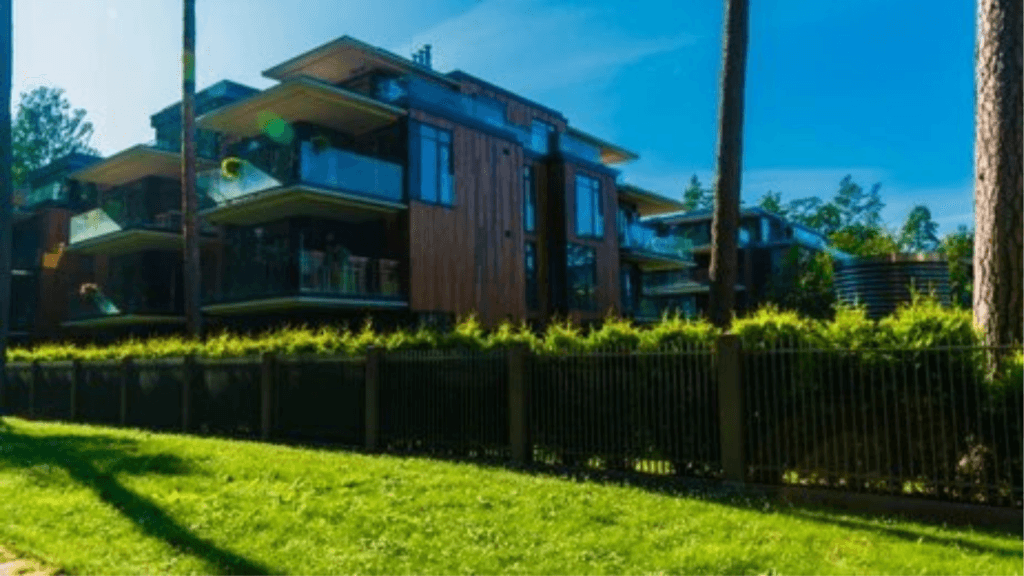
Modern luxury house project by the best contractors in Bangalore.

Best Contractors in Bangalore: The Definitive 2026 Guide for Homeowners

Building a home in the Silicon Valley of India is a journey that blends aspiration with engineering. As we move through 2026, the landscape of residential construction in Bengaluru has shifted toward high tech, sustainable, and legally transparent models. Whether you are developing a plot in the burgeoning suburbs of North Bangalore or a luxury duplex in the heart of the city, the success of your investment depends entirely on your choice of partners. The best contractors in Bangalore are no longer just civil workers; they are specialized project managers who navigate complex soil conditions, rising material costs, and stringent environmental regulations. This guide offers an in depth look at what distinguishes elite builders in the current market, ensuring your dream home is built with both beauty and structural integrity. Identifying the Qualities of the Best Contractors in Bangalore In a crowded market, identifying top tier talent requires looking beyond flashy brochures. The construction industry in 2026 is defined by Accountability Tech. Elite builders now use integrated platforms that allow you to monitor every stage of your build, from the first foundation pour to the final coat of paint. A primary trait of the best contractors in Bangalore is their mastery of local soil conditions. The city features everything from hard granite strata to soft clay deposits near lake regions. A contractor with local expertise will conduct a professional soil test as a non negotiable first step, ensuring the foundation is engineered specifically for your site. Furthermore, professionalism in 2026 is synonymous with RERA compliance. Even for smaller residential builds, the most reliable civil contractors in Bangalore operate with a RERA First mindset, ensuring all financial transactions and project timelines are documented according to the Karnataka Real Estate Regulatory Authority standards. Navigating Construction Cost per Square Foot Bangalore 2026 The question of budget is central to every construction discussion. In 2026, we have seen a stabilization in the prices of raw materials like cement and steel, but labor costs in Bengaluru have risen due to the demand for skilled artisans. Current construction cost per square foot bangalore 2026 estimates: Basic Package: 1,800 to 2,100 rupees per square foot. This includes standard RCC structures, basic flooring, and essential electrical fittings. Standard Quality: 2,300 to 3,000 rupees per square foot. This is the most popular tier for residential building contractors in bangalore providing branded materials and premium finishes. Luxury Custom: 3,500 to 5,000 plus rupees per square foot. This involves custom architectural designs, smart home integration, and high end imported materials. It is vital to understand that these rates usually apply to the built up area. Expert best home builders bangalore will provide a detailed Bill of Quantities (BOQ) that breaks down every single expense, protecting you from mid project budget creep. Material Specifications and Quality Control The quality of your build is only as good as the materials used. The best contractors in Bangalore prioritize Grade A specifications. This means using 53 grade cement for structural elements and FE 500 or FE 550 grade TMT bars for reinforcement. They also favor M Sand (Manufactured Sand) for all concrete work to ensure consistent strength and environmental sustainability, which is a major focus for Bengaluru’s urban planning in 2026.   The Advantage of Turnkey Construction Services Bangalore For most property owners, the most efficient way to build is through turnkey construction services Bangalore. In this model, the contractor takes full responsibility for the project, from architectural drawings and structural engineering to labor management and interior finishing. The benefits of the turnkey approach include: Single Point of Contact: You do not need to coordinate between an architect, a civil contractor, and various vendors. Time Efficiency: Because the design and execution teams work under one roof, the transition between phases is seamless. Fixed Pricing: Turnkey contracts often include protection against material price hikes, providing you with financial certainty. By looking through a professional project portfolio, you can see how turnkey services result in a more cohesive aesthetic and structural finish compared to fragmented labor contracts. Critical Building Bylaws and BBMP Approvals for 2026 Bengaluru’s municipal body, the BBMP, has strictly enforced new building bylaws in 2026 to manage the city’s density. The best contractors in Bangalore stay ahead of these regulations to ensure your home is legally compliant from day one. Key regulations to discuss with your builder: Setback Requirements: For a standard 30×40 or 40×60 plot, the mandatory setbacks must be maintained for fire safety and ventilation. Rainwater Harvesting: In 2026, RWH is mandatory for all new constructions to obtain an Occupancy Certificate. Solar Mandatory Rules: New regulations require most multi story residential buildings to have solar water heating or lighting provisions. Failing to adhere to these norms can lead to heavy fines or the denial of utility connections. Elite civil contractors in Bangalore will handle the entire Sanction Plan process, coordinating with the authorities to secure your building permit without hassle. Evaluating Your Options: Building Construction Companies List Bangalore When you begin your search, you will encounter an extensive building construction companies list bangalore. To find the truly best, you must employ a rigorous vetting process. How to shortlist the right team: Project Experience: Have they completed projects similar to your vision? Building a commercial office requires different skills than a luxury residence. Technical Depth: Ask about their structural engineers. Do they use modern software for seismic analysis and load calculations? Transparency: Do they provide a detailed contract with a clear payment schedule? Avoid any contractor who asks for large upfront payments without a roadmap. Sustainability Focus: In 2026, the best home builders bangalore are those who integrate thermal insulation and water recycling into their standard designs. To understand the level of detail required for a modern home, you can explore specialized home construction services that focus on these high standards. Conclusion: Making an Informed Choice for Your Future Building a home is perhaps the most significant financial and emotional commitment you will ever make. In a city as dynamic as Bengaluru,

Best Contractors in Bangalore: The Definitive 2026 Guide for Homeowners Read More »

Structural foundation work by civil construction companies in Bangalore

Elite Civil Construction Companies in Bangalore: Your 2026 Guide to Building Excellence

Building a property in Bangalore in 2026 requires navigating shifting material costs and strict local regulations. Professional civil construction companies in Bangalore provide essential expertise in structural integrity and legal compliance. By opting for turnkey construction contractors Bangalore homeowners can save up to 15 percent on total costs through value engineering and integrated project management. Expect 2026 rates to range from 1,750 to 3,500 rupees per square foot depending on your choice of finishes. Choosing from the many civil construction companies in Bangalore is the most significant decision you will make for your property. Whether you are planning a modern residence or a commercial office space, the quality of the skeleton of your building determines its lifespan and safety. In 2026, the construction landscape in Bengaluru is more complex than ever, requiring a blend of traditional engineering and high tech solutions to meet modern urban demands. This guide provides a deep dive into the current market trends, pricing structures, and selection criteria. We aim to empower you with the knowledge needed to identify top construction companies in Bangalore that prioritize transparency and structural excellence. Why You Need Professional Civil Construction Companies in Bangalore The geological diversity of Bengaluru ranges from hard granite foundations in the south to softer soil in northern expansion zones. This variation requires specialized civil engineering knowledge that only experienced civil construction companies in Bangalore possess. A professional firm like Artscape does not just lay bricks; they conduct thorough soil tests and structural analyses to ensure your building can withstand the local climate and seismic conditions. Furthermore, hiring professional residential construction companies in Bangalore ensures that your project follows the latest National Building Code standards. From the correct mixing of concrete to the precise placement of reinforcement steel, professional supervision prevents the structural cracks and dampness issues that often plague buildings constructed by unorganized labor. Comprehensive Residential Construction Companies in Bangalore: What to Expect When you look for residential construction companies in Bangalore, you are looking for a partner who understands the dream of home ownership. In 2026, the best firms offer more than just basic civil work. They provide a comprehensive suite of services that take you from an empty plot to a move in ready home. These services generally include architectural planning, structural design, and the management of all MEP (Mechanical, Electrical, and Plumbing) services. The advantage of working with established home construction companies in Bangalore is their ability to source high grade materials directly from manufacturers. This ensures you get premium quality cement and steel without the middleman markups that typically inflate a project budget. Breaking Down the Construction Cost per sq ft in Bangalore 2026 Budgeting is the core of any construction project. In 2026, the construction cost per sq ft in Bangalore 2026 has seen a steady rise due to the increasing prices of raw materials like sand and steel. However, efficiency in building methods has helped stabilize these costs for savvy homeowners. Current Price Estimates for 2026: Economy Grade: 1,750 to 1,950 rupees per square foot. This tier focuses on functional durability using standard grade materials and essential finishes. Standard Quality: 2,100 to 2,700 rupees per square foot. This is the most common choice for families, offering a balance of branded fittings and robust structural specifications. Luxury Grade: 3,000 to 4,500 plus rupees per square foot. This involves high end customizations, imported stones, and advanced home automation systems. Understanding these tiers helps you communicate effectively with civil contractors in Bangalore and ensures your expectations align with your financial plan. Factors Affecting the Final Quote While the per square foot rate is a great starting point, several factors can influence the final bill. The depth of the foundation required by your soil type, the total number of floors, and the complexity of the architectural elevation all play a role. Additionally, the distance of your plot from main supply hubs can impact the logistics cost of material delivery. How to Navigate the Building Construction Companies List in Bangalore With an overwhelming building construction companies list in Bangalore available online, narrowing down your choices requires a systematic approach. You should look beyond the marketing slogans and focus on tangible evidence of quality. Key Verification Steps: Portfolio Review: Examine recently completed projects that match your desired style and scale. Site Visits: Visit an active construction site to observe the cleanliness, safety protocols, and the quality of the masonry work. Reference Checks: Speak with previous clients about the company’s ability to stick to timelines and their transparency regarding cost variations. Legal Compliance: Ensure the firm is registered with RERA Karnataka and follows all BBMP building bylaws. By being diligent in your search through the building construction companies list in Bangalore, you protect yourself from the risks of project abandonment or substandard workmanship. The Strategic Advantage of Turnkey Construction Contractors Bangalore In 2026, the trend has shifted heavily toward turnkey solutions. Choosing turnkey construction contractors Bangalore means you are hiring a single entity to manage every stage of the build. This model is particularly beneficial for professionals who cannot afford to spend their weekends managing labor and material procurement. The benefits of the turnkey model include: Single Point Accountability: One company is responsible for both the design and the execution. Fixed Timelines: Turnkey contracts often include penalty clauses for delays, ensuring your project stays on track. Cost Predictability: Since the materials are procured in bulk by the firm, they can often offer a fixed price that protects you from market fluctuations. Many top construction companies in Bangalore now offer digital dashboards where you can track the progress of your home in real time from your smartphone. Ensuring Quality in Turnkey Projects While turnkey is convenient, it is vital to have a detailed Bill of Quantities in your contract. This document should specify the exact grade of steel, the type of sand, and the specific categories of all plumbing and electrical items. This ensures that the convenience of a turnkey service does not lead to a compromise

Elite Civil Construction Companies in Bangalore: Your 2026 Guide to Building Excellence Read More »

Modern residential project by house construction contractors in Bangalore.

Expert House Construction Contractors in Bangalore: Building Your Dream Home in 2026

Building a home in the Silicon Valley of India is a significant life milestone. Whether you are envisioning a luxury villa in Sarjapur or a modern duplex in Hebbal, the success of your project hinges on one critical decision: choosing the right house construction contractors in Bangalore. With the real estate landscape evolving rapidly in 2026, understanding the latest building regulations, material costs, and construction technologies is essential for any homeowner. The Bangalore construction market has become increasingly sophisticated. It is no longer just about laying bricks and mortar; it is about smart home integration, sustainable practices, and navigating complex urban bylaws. This guide provides a comprehensive deep dive into everything you need to know about residential construction in Bengaluru, ensuring you make an informed choice that balances quality, time, and budget. Why Choosing Local House Construction Contractors in Bangalore Matters Navigating the local terrain requires more than just engineering skill. Bangalore presents unique challenges, from the varying soil types in North versus South Bangalore to the specific BBMP (Bruhat Bengaluru Maha Nagara Palike) building bylaws that govern setbacks and floor area ratios. Professional residential construction companies in Bangalore bring an established network of skilled labor and trusted material suppliers. This local advantage often translates into better procurement prices for TMT steel, cement, and high quality aggregates. Furthermore, an experienced local contractor will have a deep understanding of the Karnataka RERA (Real Estate Regulatory Authority) guidelines, ensuring your project is compliant from the groundbreaking ceremony to the final handover. By partnering with experts, you mitigate the risks of structural errors or legal delays. Top builders today utilize advanced project management software, giving you real time updates on your smartphone, a feature that has become a standard expectation for tech savvy homeowners in the city. Understanding Construction Cost per sq ft in Bangalore 2026 One of the most frequent questions homeowners ask is about the budget. In 2026, construction costs have stabilized after the fluctuations of previous years, but they remain highly dependent on the quality of finishes and structural complexity. Currently, the average construction cost per sq ft in Bangalore 2026 follows three primary tiers: Package Type Estimated Price Range (Per Sq Ft) Key Features Basic Package ₹1,750 to ₹2,000 Standard tiles, local brand fixtures Standard Package ₹2,200 to ₹2,800 Branded materials (Ultratech, Asian Paints) Premium Luxury ₹3,000 to ₹4,500 plus Italian marble, automation, custom wood It is important to remember that these rates usually cover the built up area. Additional costs often include compound walls, gate installation, BESCOM (electricity) and BWSSB (water) deposits, and architectural design fees. Working with elite house construction contractors in Bangalore ensures that your initial quote is transparent, avoiding the hidden costs that often plague unorganized civil contractors. Factors Influencing Your Building Budget Several variables can shift your final price point. For instance, building a duplex or a multi story structure requires heavier reinforcement in the foundation and pillars, which can add 15 percent to the structural cost compared to a single floor house. Location also plays a role. Central areas like Koramangala or Indiranagar may have higher logistical costs for material delivery compared to developing zones like Whitefield or Electronic City. Additionally, the soil quality at your site might necessitate a deeper or specialized foundation, such as pile foundations in marshy areas, which is a detail only expert civil contractors in Bangalore can accurately assess after a professional soil test. Benefits of Turnkey Construction Services Bangalore For many busy professionals in the city, the Turnkey model has become the gold standard. Turnkey construction services Bangalore offer an end to end solution where the contractor manages everything from architectural drawings and structural engineering to labor management and interior finishing. The primary advantage of a turnkey contract is accountability. You have a single point of contact for every aspect of the build. This eliminates the common blame game that occurs when an independent architect and a separate civil contractor disagree on site. Most reputable firms now offer a 10 year structural warranty, giving you peace of mind that your investment is protected. Furthermore, turnkey providers often have in house design teams. This ensures that the aesthetic vision of your home is technically feasible and stays within the pre agreed budget. If you are looking for a seamless experience, checking a professional project portfolio can help you visualize the level of craftsmanship these firms offer. Essential BBMP Building Bylaws and Approvals for 2026 Compliance is non negotiable in Bangalore’s residential sector. The BBMP recently updated its zoning regulations and setback rules to improve urban planning and safety. Key 2026 Building Regulations to Note: Setback Rules: For small plots (30×40), the setbacks are now more strictly enforced to ensure fire safety and natural ventilation. Height Limits: Most residential zones for small plots are capped at a building height of 12 meters. Floor Area Ratio (FAR): The 1.75 FAR remains the standard for most residential areas, though this can vary based on road width. Rainwater Harvesting (RWH): It is mandatory for all new constructions to have a functional RWH system to obtain the Occupancy Certificate (OC). Failing to adhere to these norms can lead to heavy penalties or even demolition orders. Trusted house construction contractors in Bangalore will handle the entire Sanction Plan process, coordinating with authorities to ensure your building plan is legally sound before work begins. The Detailed Home Construction Process Bangalore Understanding the timeline of your project helps in planning your finances and move in date. A typical residential project in Bangalore takes between 10 to 14 months to complete. Phase One: Design and Documentation. This includes architectural floor plans, 3D elevations, and structural drawings. This is also when you apply for building sanctions. Phase Two: The Shell Structure. This involves excavation, foundation work, and the raising of columns and slabs. Phase Three: Masonry and Services. Walls are built using blocks or bricks, and the concealed work for plumbing and electrical lines is completed. Phase Four: Finishing Works. This is the longest phase, involving plastering,

Expert House Construction Contractors in Bangalore: Building Your Dream Home in 2026 Read More »

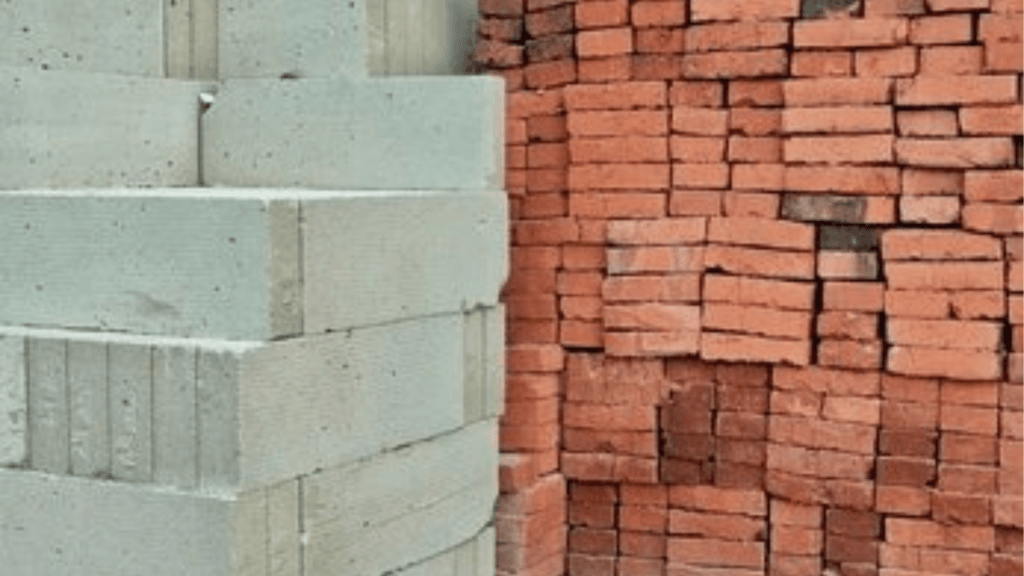
Comparison of AAC blocks and red bricks for budget home construction in Bangalore

Low Cost House Construction Contractors in Bangalore: The Ultimate Guide to Affordable Building

Building a dream home in the Silicon Valley of India is a milestone achievement, but with skyrocketing real estate prices and fluctuating material costs, many homeowners feel priced out of the market. However, constructing a high-quality, durable home on a budget is not only possible—it is a science. Finding the right low cost house construction contractors in Bangalore is the first step toward balancing aesthetics with affordability. This comprehensive guide explores how you can minimize expenses without compromising structural integrity, ensuring your investment stands the test of time while keeping your bank balance intact. Understanding the Landscape of Budget Home Construction in Bangalore The construction industry in Bangalore is unique. From the red soil of North Bangalore to the rocky terrains of the South, the geography dictates foundation costs. Furthermore, with the implementation of RERA and strict BBMP/BDA bylaws, navigating the legalities requires an expert hand. A common misconception is that low cost means low quality. In reality, elite low cost house construction contractors in Bangalore utilize Value Engineering. This involves selecting alternative materials and innovative building techniques that provide the same strength as traditional methods at a fraction of the cost. How to Identify the Best Civil Contractors in Bangalore for Residential Buildings Choosing a contractor is the most critical decision you will make. A budget-friendly building contractor in bangalore shouldn’t just offer the lowest quote; they should offer the most transparent one. Transparency in Material Specifications: Ensure the contractor provides a detailed Bill of Quantities (BOQ). They should specify the brand of cement, the grade of steel (TMT bars), and the type of sand (M-Sand vs. P-Sand) being used. Track Record of Budget Adherence: Look for contractors who have a history of completing projects within the initial estimate. Cost overruns are the enemy of low-cost construction. Labor Management: In Bangalore, labor costs can fluctuate. Established contractors have in-house teams, which prevents the price hikes associated with subcontracting. For those looking for integrated design and build services, exploring Artscape Developers’ services can provide insights into how professional project management keeps costs under control. Affordable House Construction Cost Per Sq Ft in Bangalore As of 2024-2025, the average affordable house construction cost per sq ft in Bangalore ranges from ₹1,650 to ₹1,900 for a standard package. This typically includes basic flooring, standard electrical fittings, and essential plumbing. Factors Influencing the Per Square Foot Rate: Foundation Depth: Depending on the soil strata of your plot. Steel and Cement Prices: These are market-linked and can change weekly. Floor Height: Increasing the height of rooms increases the volume of material required. Architectural Complexity: Simple, rectangular designs are significantly cheaper than those with multiple offsets or curves. Smart Design Strategies for Budget-Friendly Homes The cost of your home is often decided at the drawing board. By working with your low cost house construction contractors in Bangalore during the design phase, you can implement several savings: Vertical Expansion: It is often cheaper to build up than out. Building a G+1 or G+2 structure on a smaller footprint saves on foundation and roofing costs—the two most expensive parts of a shell. Open Floor Plans: Minimizing internal walls reduces the need for bricks, plastering, and painting. It also improves natural light and ventilation, reducing long-term electricity bills. Standardized Openings: Use standard sizes for doors and windows. Custom-sized joinery can increase costs by 20-30%. Cost-Effective Building Materials Bangalore Material selection accounts for nearly 60-70% of the total construction cost. Bangalore offers a variety of local alternatives that are both sustainable and cheap. Using Solid Concrete Blocks vs. Traditional Bricks While red clay bricks are traditional, high-quality solid concrete blocks are often more cost-effective in Bangalore. They require less mortar for joining and less labor for laying due to their larger size. Additionally, their uniform shape leads to thinner plastering layers. M-Sand (Manufactured Sand) vs. River Sand The Karnataka government has strict regulations on river sand. Low cost house construction contractors in Bangalore almost exclusively use M-Sand. It is not only more affordable but also free from impurities like silt and clay, which leads to stronger concrete. Sustainable and Low-Cost Building Techniques To truly outrank the competition in terms of value, one must look at alternative engineering. These techniques are often used by institutional builders and are now gaining traction in residential projects. Filler Slabs: A Modern Solution A filler slab is a reinforced concrete slab where a portion of the concrete in the bottom (tension zone) is replaced by a lightweight, low-cost filler material like discarded Mangalore tiles or clay pots. This reduces the dead weight of the slab and saves on concrete and steel without sacrificing strength. Rat-Trap Bond Masonry This is a brickwork bonding style where bricks are laid on edge rather than flat. This creates a cavity within the wall, which acts as thermal insulation and reduces the number of bricks required by nearly 25%. It’s an excellent way to lower the budget home construction Bangalore owners are looking for. Small House Construction Packages Bangalore: What’s Included? Many contractors offer turnkey packages. When reviewing these, ensure you check the exclusion list. A typical low-cost package should ideally cover: Structural design and architectural drawings. Excavation and foundation work. Superstructure (Walls and Slabs). Internal and external plastering. Basic electrical and plumbing lines. To see examples of how these packages translate into reality, browse through a professional portfolio to visualize the finish quality of budget-conscious projects. Legal and Regulatory Savings: Navigating BBMP Norms Fines and penalties for building deviations can destroy a budget. Efficient low cost house construction contractors in Bangalore ensure that the building plan stays within the Setback norms and FAR (Floor Area Ratio) limits. Rainwater Harvesting (RWH): In Bangalore, RWH is mandatory for most plots. Integrating this during the construction phase is much cheaper than retrofitting it later to avoid BWSSB penalties. Solar Provisions: Planning for solar water heaters during the roofing stage saves on future plumbing modifications. According to authoritative construction standards, early integration of utility planning can reduce total project costs by

Low Cost House Construction Contractors in Bangalore: The Ultimate Guide to Affordable Building Read More »