

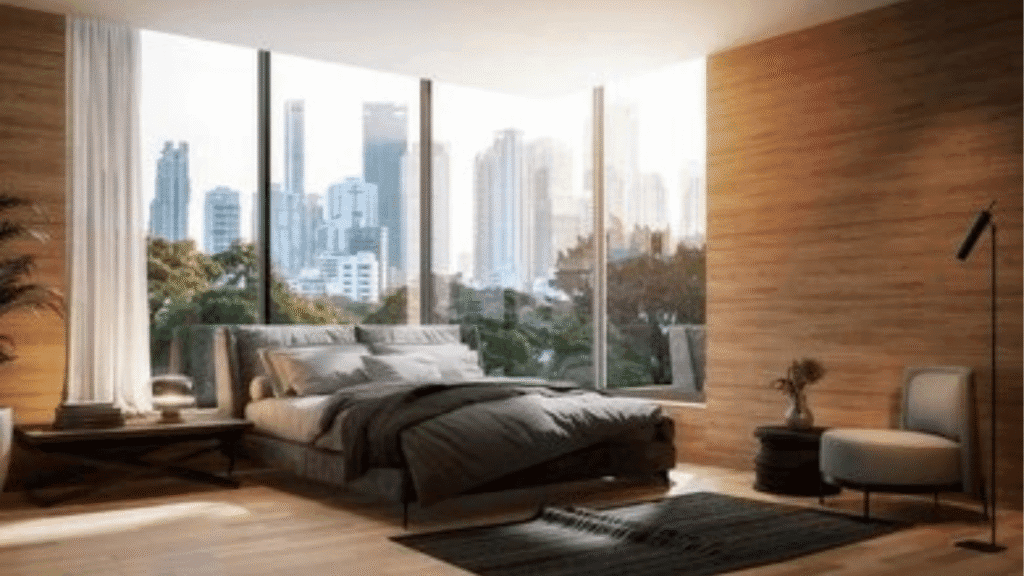
Think about how it might feel to walk into a home that is open, warm, and lively. There is sunlight in every corner. Colours seem more vibrant. The air feels fresh. That’s the beauty of using natural light in home design, and it’s not as hard as you may think.
At Artscape Developers, we believe light is the heart of a home. It changes the mood, brings out beauty, and makes rooms feel bigger. Don’t worry if your rooms feel dull or closed in. You can change it with a few smart design choices.
Frequently Asked Questions
Why It’s Important to Think About Sunlight When Designing a Home
Natural sunlight creates balance and harmony, enhancing colors and textures while fostering calmness that artificial light cannot replicate. It also improves body clocks, boosts energy, and supports plant growth. Prioritizing light during planning or updates ensures a healthier, more vibrant living environment.
Design Mistakes That Keep Light Out
Common errors include heavy curtains, dark wall colors, large furniture blocking windows, cluttered layouts, and overgrown exterior bushes. These choices absorb or obstruct daylight, making spacious rooms feel dark. Correcting these issues with lighter materials and strategic placement easily restores brightness and style.
Design Hacks to Get the Most Out of Natural Light
Use light wall colors like white or cream, incorporate reflective surfaces such as mirrors and glass, and replace heavy curtains with sheer panels. Maintain open layouts by keeping furniture away from windows and using frosted glass partitions to maximize daylight penetration and room brightness.
Tips for Designing Sunlight in Each Room
Place mirrors opposite windows in living rooms, use light backsplashes in kitchens, layer sheer curtains in bedrooms, and install frosted glass in bathrooms. These room-specific strategies enhance natural light distribution, creating airy, cheerful, and private spaces throughout the home.
Changes in Design for the Seasons
Adjust lighting strategies seasonally: use sheer curtains and indoor plants in summer to diffuse bright light, while keeping windows clear and incorporating warm colors in winter. This flexibility ensures optimal comfort and brightness year-round by adapting to changing daylight conditions.