

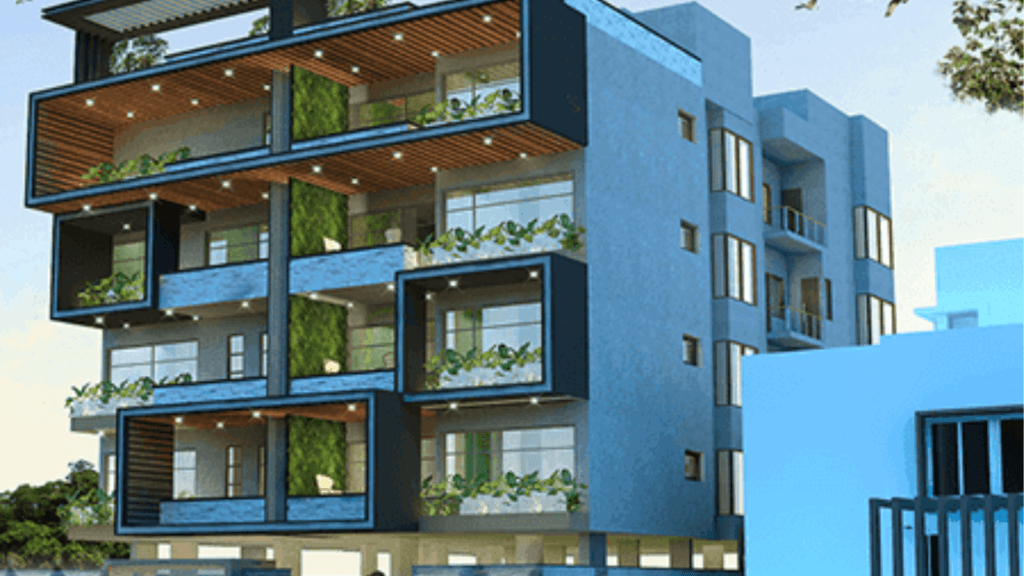
Embarking on the journey of building a custom home offers a deeply personal and rewarding experience, enabling you to craft a living space that mirrors your individual style, values, and aspirations. There is nothing quite like the thrill of starting with a blank canvas. However, transforming that vision into a high-end home requires precision, foresight, and a structured approach.
Whether you are just starting to gather inspiration or you are ready to break ground, navigating the custom home-building process can feel overwhelming. But it doesn’t have to be. By understanding the phases of architectural design, the importance of a collaborative team, and the latest design trends, you can ensure a seamless journey from concept to completion.
Welcome to your ultimate guide to building a dream home with confidence.
1. Define Your Vision and Set a Realistic Budget
Creating a vision for your custom home goes beyond simply envisioning a layout or design style. It involves thoughtful consideration of your lifestyle, preferences, and aspirations for your new home.
Take the time to visualize how you want to live in your space and what features will enhance your daily life. Are you looking for a spacious kitchen for entertaining, a cozy reading nook for relaxation, or a dedicated home office for remote work?. When designing your custom home, it’s essential to consider not only your immediate needs but also your long-term goals. Think about how your lifestyle may evolve over time and incorporate features that will accommodate future changes.
Once your vision is clear, it is time to talk numbers. Building a custom home requires careful financial planning to ensure that your dream home remains within reach.
- Look Beyond Construction: Factor in expenses such as land acquisition, permits, landscaping, and furnishings.
- Contingency is Key: Allocate a contingency of 15-20% of the total construction cost to cover unforeseen issues or desired upgrades without derailing the project.
- Define Allowances: Work with your builder to set realistic cash allowances for selection items like tile, lighting, and plumbing fixtures, ensuring they align with your quality expectations.
2. Select and Finalize Your Building Lot
The land you choose is the canvas for your custom home, shaping the design, cost, and overall experience. The location of your custom home is paramount, influencing everything from property value to quality of life.
A thorough evaluation of a potential lot is a critical first step in any high-end custom home build. This goes beyond location, requiring a deep dive into the land’s characteristics to ensure it aligns with your architectural vision and lifestyle. For instance, a sloped lot may offer vistas but will require specialized foundation work.
Before you close on a property, conduct actionable due diligence:
- Professional Assessment: Engage a land surveyor and a geotechnical engineer to assess boundaries, topography, and soil stability before finalizing your purchase. A current legal survey anchors setbacks, height datum, and tree protection zones.
- Utility Confirmation: Verify the availability and cost of connecting to municipal utilities or the requirements for installing septic and well systems.
- Zoning & Covenants: Meet with the local planning department to confirm zoning laws and review any community-specific covenants that could restrict your design.
3. Assemble Your Dream Team: Architects and Builders
Finding the right builder is perhaps the most critical decision you’ll make during the custom home-building process. The builder or general contractor you select is the most important partner in your custom home journey, orchestrating the entire project from groundbreaking to final inspection.
Look for a building contractor with a proven track record of excellence in craftsmanship, customer service, and integrity. When architecture and construction are under one roof, projects move faster, change orders are minimized, and the original design intent is preserved.
The Power of Integrated Project Delivery (IPD)
The most successful modern builds use collaborative approaches like Integrated Project Delivery (IPD). IPD brings key stake holders together sooner in order to align objectives and goals and find solutions to problems before they happen and when it is still easy and comparatively inexpensive to fix.
In this model, core trades—like structural, HVAC, plumbing, and electrical contractors—are asked to consult on the design prior to bids being awarded. Survey feedback from trade partners suggests that they generally like using IPD principles because it gives them more input during design. Having them involved early also helps limit costly change orders throughout the project because those issues that lead to change orders are likely to be caught earlier.
4. The Architectural Design Phases Explained
Design moves faster and costs less when you understand the phases up front. In plain terms, your custom home flows from Pre‑Design, to Schematic Design, to Design Development, to Permit Set, to Construction Drawings, and finally Construction Administration.
- Pre-Design: We begin by listening. We map these goals to a budget range so decisions stay grounded. We also set energy and ventilation targets now, which lets us size the envelope and windows correctly before anyone models performance.
- Schematic Design: You will see two or three clear plan options, not a pile of sketches. We check roof form and overall height against setbacks and neighbours. We shape window size and placement for daylight and views without upsetting privacy or energy targets.
- Design Development: Now we coordinate envelope assemblies, spans, and window performance so the energy model, structure, and drawings match. Kitchen layouts, bathrooms, built‑ins, and storage are resolved while the shell is still flexible.
- Permit Set: Securing the correct permits is a non-negotiable step that legitimizes your construction project, ensuring it adheres to local building codes, zoning laws, and safety regulations. This part of the building custom home checklist can be complex, involving multiple agencies from building departments to environmental commissions.
- Construction Drawings: Clear drawings answer common trade questions before they slow the site. We add wall, roof, and slab details; window and door installation details; typical sections; and schedules that match what is being bought.
5. Embrace 2026 Home Design Trends
The home design trends of 2026 reflect a clear shift toward longevity, intentional living, and design choices that support real life, not just aesthetics. Homeowners are no longer interested in building homes that feel dated within a few years.
Built-In Architecture
One of the most prominent built-in furniture trends shaping 2026 homes is the move toward furniture that feels architectural. Instead of furnishing rooms after construction is complete, homeowners are designing storage, seating, and functional elements directly into the structure of the home. Common applications include bedroom storage that eliminates the need for bulky furniture, kitchen banquettes that replace traditional dining sets, and integrated desks and workspaces that blend into shared areas.
Natural and Authentic Materials
Among the most influential wood trends for 2026 is a return to authenticity. Highly processed finishes and artificial textures are being replaced with materials that show natural variation, grain, and character. Expect to see wide-plank, matte finishes with visible grain for flooring, wood-clad ceilings or exposed beams, and flat-panel wood fronts with minimal hardware for cabinetry.
Zoned Open-Concept Layouts
Open-concept living remains popular, but in 2026 it’s being refined. Instead of one large, undefined space, homes are designed with subtle zoning that allows multiple functions to coexist without conflict. Rather than walls, designers are using architectural elements to define space, changes in ceiling height, built-ins, lighting, and material transitions.
High-Performance Green Building
Luxury is increasingly synonymous with sustainability. Passive House design is about using sunlight, shade, and insulation to do the heavy lifting when it comes to heating and cooling.
- Super-insulated envelopes: With insulation that far exceeds standard new home construction levels, a home maintains stable temperatures with very little mechanical heating or cooling.
- Airtight construction: Extremely resistant to unwanted drafts, moisture, and heat loss.
- Energy recovery ventilation (ERV): This essential system continuously replaces stale indoor air with fresh, filtered air while conserving energy.
6. Communication, Tech, and Construction Management
A successful high-end custom home build relies on precision and clarity, making a structured communication plan and a detailed timeline essential. This framework ensures that the homeowner, builder, architect, and all trades are aligned on expectations, progress, and any necessary adjustments throughout the project.
Modern builders leverage top-tier construction management software to replace spreadsheet-based workflows for job scheduling, estimating, invoicing, and field management. Platforms like Buildertrend provide transparent monthly pricing and predictable budgeting , while offering a user-friendly interface that focuses on client communication, scheduling, and basic job costing. Enterprise firms frequently choose Procore for its comprehensive feature set, excelling in complex project controls, financial management, and multi-stakeholder collaboration.
Beyond management software, smart home tech is physically wired into modern homes. Integrating technology into your home’s core systems is a foundational element of high-end construction. Early planning ensures that the necessary infrastructure, like wiring and conduits, is built into the home’s structure, avoiding costly retrofitting later.
7. Regular Inspections and Quality Control
Systematic inspections are a non-negotiable component of a high-end custom home build, serving as your primary mechanism for quality control. This process involves regular, scheduled walkthroughs at critical construction phases to verify that work aligns with architectural plans, meets building codes, and adheres to the highest standards of craftsmanship.
- Pre-Drywall: A pre-drywall inspection can catch framing, plumbing, or electrical errors that would be costly and disruptive to fix later.
- Final Walkthrough: A final walkthrough creates a definitive “punch list” of cosmetic items to address before you take possession, guaranteeing a flawless finish.
- Third-Party Oversight: For objective verification, hire an independent certified home inspector to conduct assessments alongside your builder’s and the city’s inspections.
Ready to Break Ground on Your Dream Home?
The most crucial element of this entire process is the partnership you form with your builder. The value lies not just in the final structure, but in the precision, craftsmanship, and peace of mind integrated into every phase of the build. Ultimately, mastering this checklist empowers you to create a home that is a direct reflection of your lifestyle and standards.
At Artscape Developers, we act as your advocate, managing the complexities of permitting, contractor coordination, and quality control. We believe your new home should be a sanctuary, tailored to your needs and built to endure for generations.
Schedule a free consultation with our team today to start bringing your dream home to life! Call us now or book an appointment online to discuss your vision.